- (229) 210-9405
- 101 Buffalo Soldier Ave Bldg 239, Fort Myer, VA, arlington, VA 22211
Our Other Tree Removal Services
Arlington’s historic neighborhoods, from Cherrydale to Lyon Village, owe much of their character to a mature, towering tree canopy. However, urban environments place immense stress on these giants. Heavy clay soils combined with relentless residential construction lead to severe soil compaction, suffocating root systems and leaving oaks, elms, and maples highly vulnerable to opportunistic pathogens. Understanding these environmental stressors is at the core of all our services, helping us pinpoint the exact cause of decline before it is too late.
A professional diagnostic visit from an ISA certified arborist is the first line of defense against devastating regional threats. In Northern Virginia, our humid summers fuel aggressive fungal infections like anthracnose and various types of fungal canker. Worse still, systemic vascular disease threats like oak wilt and bacterial leaf scorch can rapidly shut down a tree’s water transport system. Without intervention, pests like the emerald ash borer will systematically destroy the cambium layer, leading to irreversible crown dieback and eventual tree death.
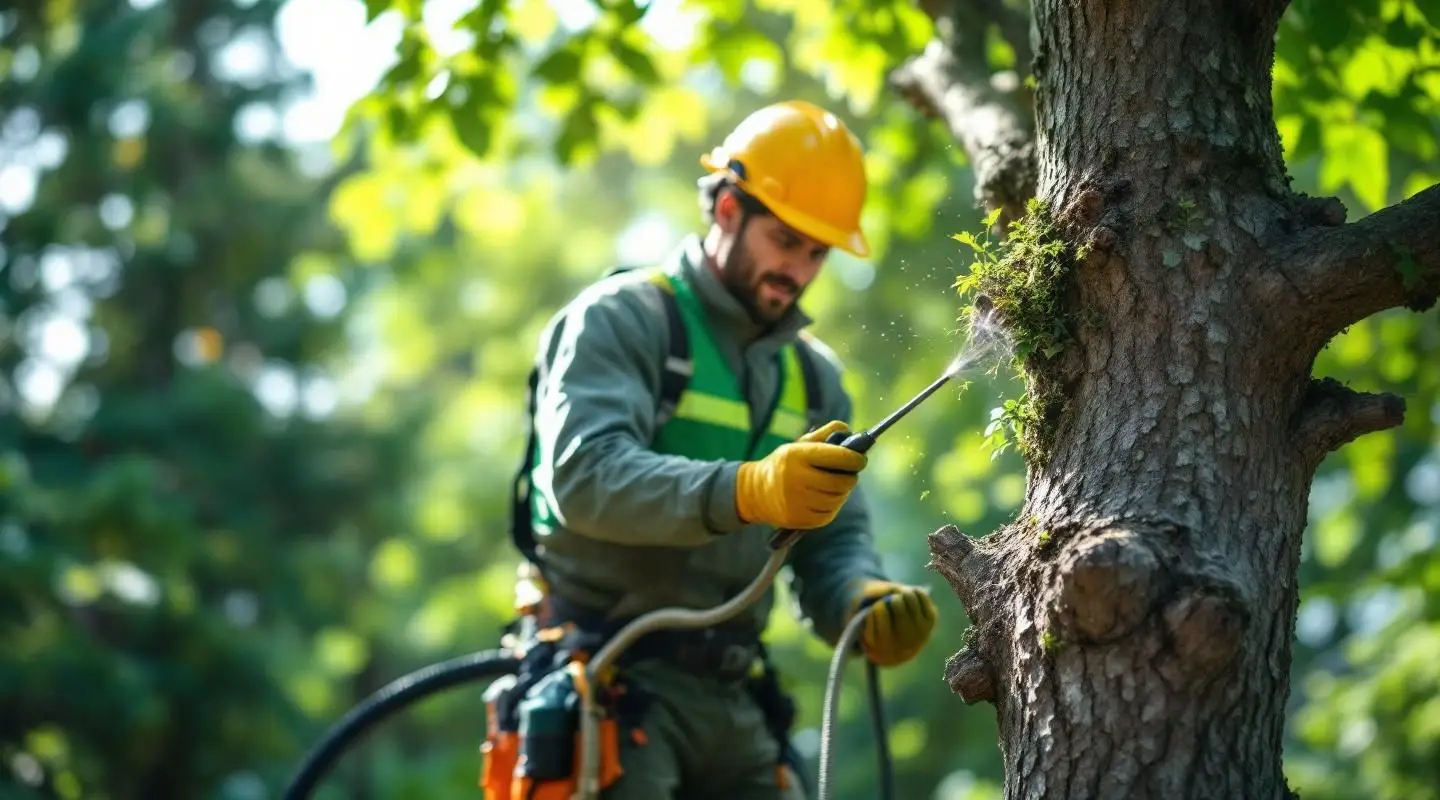
Our approach focuses on accurate diagnosis and targeted preservation before jumping to costly removals. We use advanced diagnostic techniques to identify issues like phytophthora root rot and structural decay early, when they are still highly treatable. Depending on the diagnosis, we can administer precise trunk injection therapies or macro-infusion treatment options that deliver targeted fungicides and nutrients directly where they are needed, keeping your family, pets, and surrounding garden completely safe from overspray.
Many homeowners in older Arlington neighborhoods like Cherrydale and Lyon Village watch their mature oaks and elms show early signs of thinning leaves, assuming it is just summer heat. Often, the real culprit is a hidden vascular disease or root rot quietly choking the tree from the inside out. When you bring in our experienced technicians, we do not just look at the surface. We examine the cambium layer, check the soil compaction around the root flare, and identify specific pathogens like fungal canker or phytophthora before they cause irreversible damage.
Catching these issues early means we can deploy targeted remedies like a systemic trunk injection or a macro-infusion treatment directly into the tree’s vascular system. This direct approach stops pests like the emerald ash borer or fungal infections like anthracnose in their tracks without spraying chemicals all over your yard. By choosing targeted therapy over immediate removal, you preserve the mature canopy that keeps your home cool, protects your property value, and maintains the historic character of your neighborhood.
Accurate Pathogen Identification — We pinpoint the exact fungus or insect, such as bacterial leaf scorch or emerald ash borer, to avoid wasted treatments.
Targeted Trunk Injections — Direct cambium-layer treatments deliver systemic protection without exposing your family, pets, or lawn to chemical drift.
Soil Compaction Relief — We address root-zone stress caused by construction or heavy clay, giving struggling root systems room to breathe and absorb nutrients.
Canopy Preservation — Proactive care stops crown dieback early, saving mature oaks, elms, and maples from premature removal.
Neighboring Tree Protection — Treating highly contagious conditions like oak wilt prevents the pathogen from spreading through root grafts to nearby yards.
It is easy to confuse seasonal stress with a terminal vascular disease. In Arlington, dense clay and heavy residential development often cause severe soil compaction, which suffocates roots and mimics drought. However, if you notice deep fungal canker sores on the bark, premature crown dieback, or early leaf drop, you are likely dealing with an active pathogen like phytophthora root rot. A professional Tree Health Assessment & Disease Treatment in Arlington helps pinpoint the exact issue. Our experienced technicians use specialized soil probes to check root health before recommending any chemical treatments, ensuring we do not treat a simple soil issue with unnecessary fungicides.
Yes, the emerald ash borer has devastated mature ash trees across Northern Virginia. If you have an ash tree on your property, it is under immediate threat. Once these beetles chew through the cambium layer, the tree’s water transport system fails, leading to rapid death. To save your tree, we must act before more than thirty percent of the canopy is lost. Our Tree Health Assessment & Disease Treatment in Arlington utilizes targeted trunk injection therapies to deliver systemic insecticides directly into the vascular tissue. For more information on regional quarantine zones and pest alerts, you can consult the Virginia Department of Forestry. These preventive treatments are highly effective but must be repeated every two years.
We always prioritize saving the tree over cutting it down. Removing a mature hardwood in Arlington is expensive and alters your landscape permanently. When we perform a Tree Health Assessment & Disease Treatment in Arlington, our goal is to identify treatable conditions like anthracnose or early-stage fungal canker that can be resolved with a macro-infusion treatment or targeted pruning. We will only recommend removal if the structural integrity of the wood is compromised, making the tree a safety hazard to your home. We provide honest, upfront pricing for both options, and if you choose treatment, we often credit the initial diagnostic fee toward your service plan.
Oak wilt is a highly destructive vascular disease that can kill a mature red oak within a single season. The most common warning signs include rapid browning of leaves from the outer edges inward, starting at the top of the canopy, and sudden leaf drop in mid-summer. This fungus spreads easily to neighboring yards through interconnected root systems and sap-feeding beetles. Because of this high risk of transmission, securing a prompt Tree Health Assessment & Disease Treatment in Arlington is vital for the entire neighborhood. If we confirm oak wilt on your Arlington property, we must isolate the root system and apply systemic fungicides immediately to protect your remaining oaks and prevent a localized outbreak.
If you notice early leaf drop, thinning crowns, or suspect an active emerald ash borer infestation, waiting only limits your treatment options. Early intervention by our team of ISA certified arborists can mean the difference between a simple trunk injection and a costly, hazardous tree removal. We diagnose the root cause of the decline—whether it is a vascular disease, fungal canker, or soil compaction—and lay out an honest, practical recovery plan.
Don’t let a treatable infection spread to the rest of your landscape. Contact us today to set up an on-site evaluation in Arlington and get a clear, expert assessment of your trees’ health.
When a mature oak in Lyon Village or a prized elm in Cherrydale begins showing signs of crown dieback, you do not need a generic landscaping crew or a national franchise that defaults to a costly, unnecessary removal. You need specialized diagnostic expertise. At Capitol Tree Care, we approach every tree with a conservation-first mindset. Our assessments are conducted by an experienced technicians team who understands how Arlington’s dense residential development and clay soils lead to severe soil compaction, leaving root systems highly vulnerable to secondary pathogens.
We differ from typical break-fix tree operations because we invest in targeted, long-term plant health care rather than quick-fix solutions. Whether we are diagnosing a complex vascular disease, treating bacterial leaf scorch, or administering a precise macro-infusion treatment for oak wilt, we base our recommendations on scientific standards. Capitol Tree Care is locally owned and deeply familiar with Arlington County’s urban tree canopy guidelines, ensuring all treatments align with local preservation rules. We provide transparent, upfront pricing for diagnostic reports and treatment plans, so you never have to worry about high-pressure sales pitches disguised as assessments.
Arlington’s mature neighborhoods, from Lyon Village to Cherrydale, boast beautiful, historic canopies of oaks, elms, and beeches. However, these older trees face constant environmental stressors, especially soil compaction from dense residential development and the humid mid-Atlantic summers. When a tree begins showing signs of crown dieback or early leaf drop, it is rarely just having a bad year. Often, it is a sign of a deeper vascular disease or an active pest invasion, such as the emerald ash borer which has heavily impacted Northern Virginia. Ignoring these subtle warning signs allows pathogens to quietly destroy the cambium layer, turning a treatable health issue into an expensive, hazardous emergency removal.
Catching a problem early changes everything. An assessment by an ISA certified arborist from our experienced technicians team can identify specific threats like fungal canker, anthracnose, or phytophthora root rot before they become terminal. Treatments like a targeted trunk injection or a systemic macro-infusion treatment can halt pathogens in their tracks. This proactive approach is significantly cheaper than waiting until a tree is half-dead. By the time bacterial leaf scorch or oak wilt visibly ravages a canopy, the tree’s internal transport system is often too damaged to save. Early diagnosis keeps your mature trees standing, preserving your property’s shade, beauty, and overall value.
Beyond saving a single tree, timely disease treatment prevents infections from spreading across your yard or into your neighbor’s property. Fungal spores and boring beetles do not respect property lines. A single untreated oak with oak wilt can infect adjacent trees through interconnected root systems. Furthermore, a structurally compromised tree with severe root rot poses a massive safety hazard to your home and family during our frequent summer storms. Investing in a professional evaluation is not just about plant health; it is a critical step in risk management that protects your home from sudden, catastrophic tree failures.
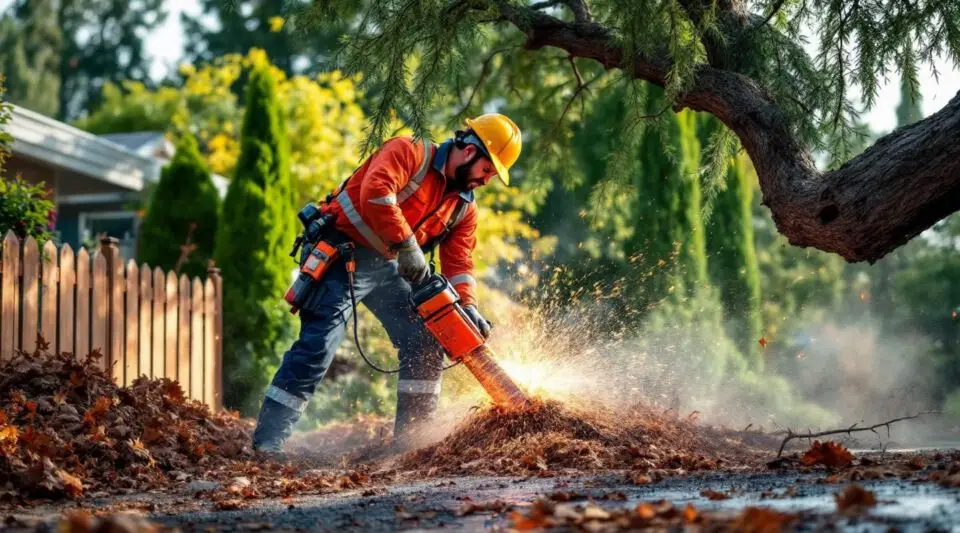
When a severe thunderstorm or winter ice storm sweeps through Northern Virginia, the weight of water and wind can turn mature hardwoods into immediate threats.
Learn more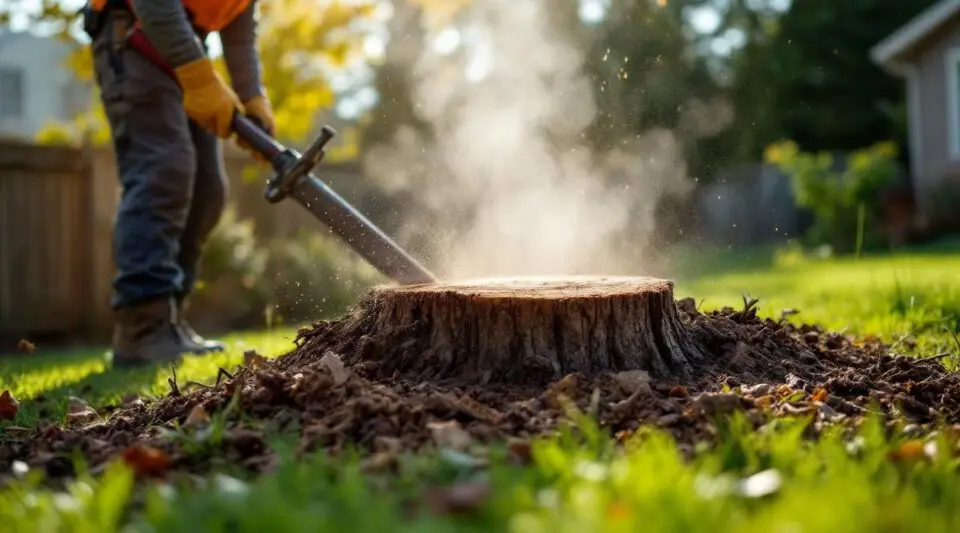
When a tree comes down on your property, the job is only half finished.
Learn more
Arlington's urban forest is one of Northern Virginia's greatest assets, but managing mature white oaks, red maples, and towering tulip poplars on tight residential lots requires more than a casual chainsaw crew.
Learn more
Focusing on the reality of owning mature oaks, tulip poplars, or silver maples in tight Arlington neighborhoods like Bluemont or Lyon Village, we know that tree care can feel overwhelming.
Learn more
Mature white oaks, red maples, and towering tulip poplars across Arlington often grow dangerously close to historic homes, tight lot lines, and overhead utility lines.
Learn more
When a tree comes down on your property, the job is only half-finished if the stump is left behind.
Learn more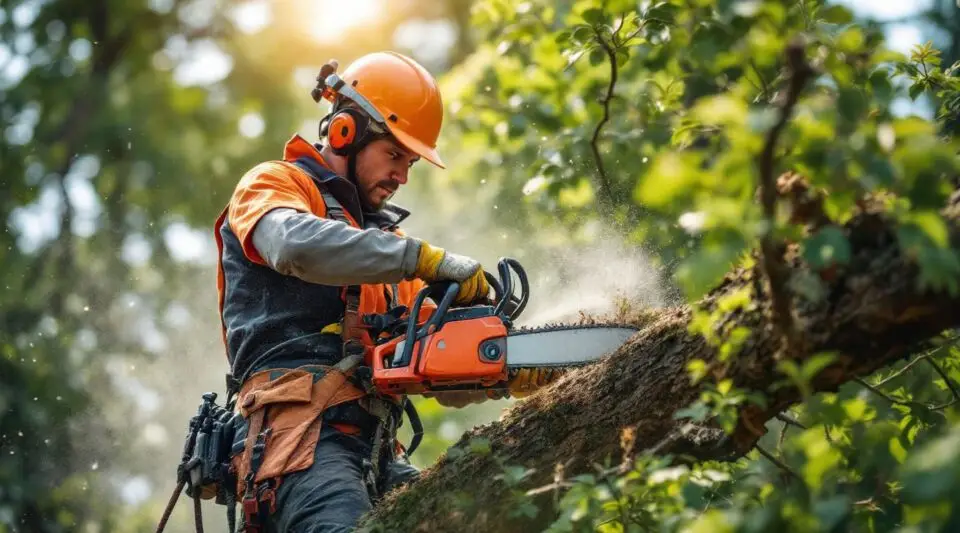
Arlington's dense, mature canopy of white oaks, silver maples, and towering tulip poplars gives our neighborhoods their distinct character, but it also presents unique challenges when a tree becomes structurally compromised.
Learn more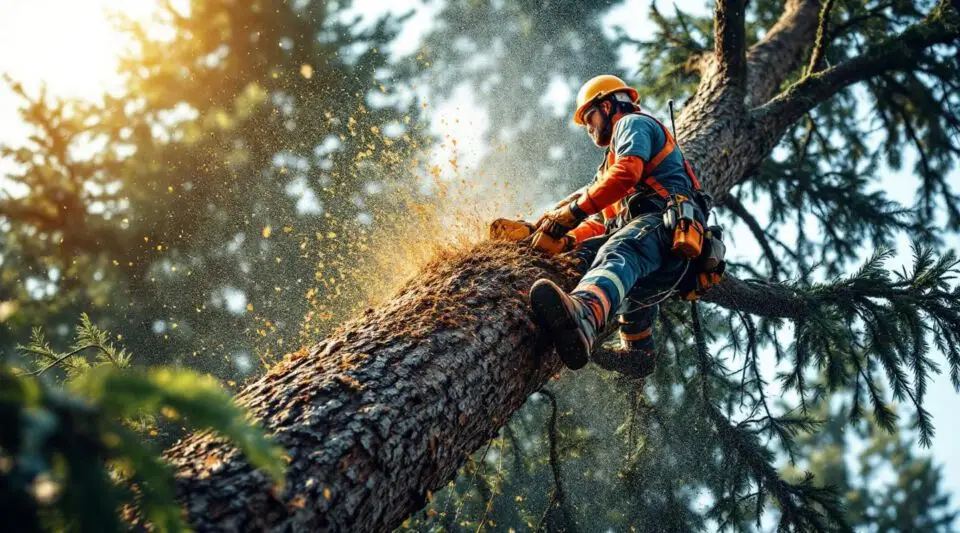
Living in Arlington means enjoying some of Northern Virginia's most beautiful mature oaks, tulip poplars, and silver maples.
Learn more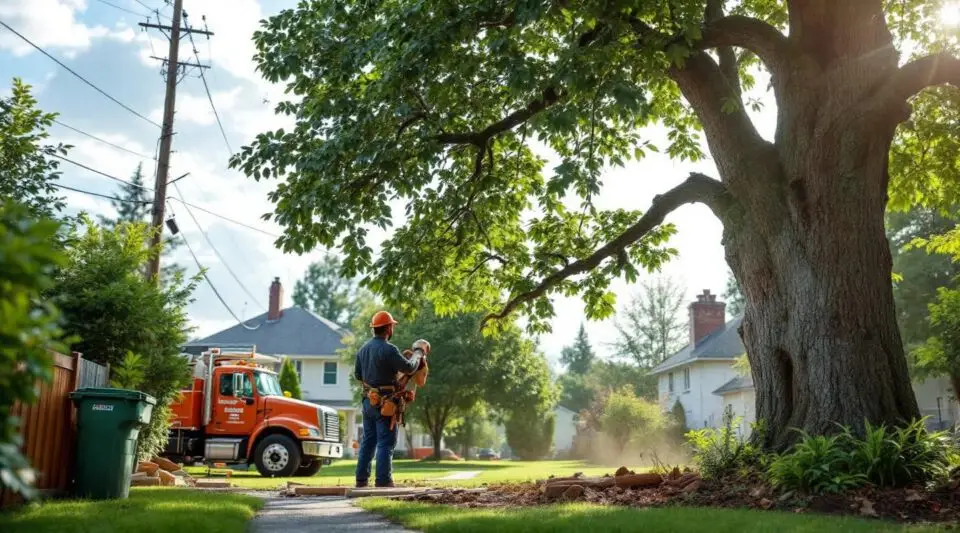
Arlington neighborhoods are famous for their lush, mature tree canopies, but those towering white oaks and red maples can quickly turn from assets into serious liabilities.
Learn more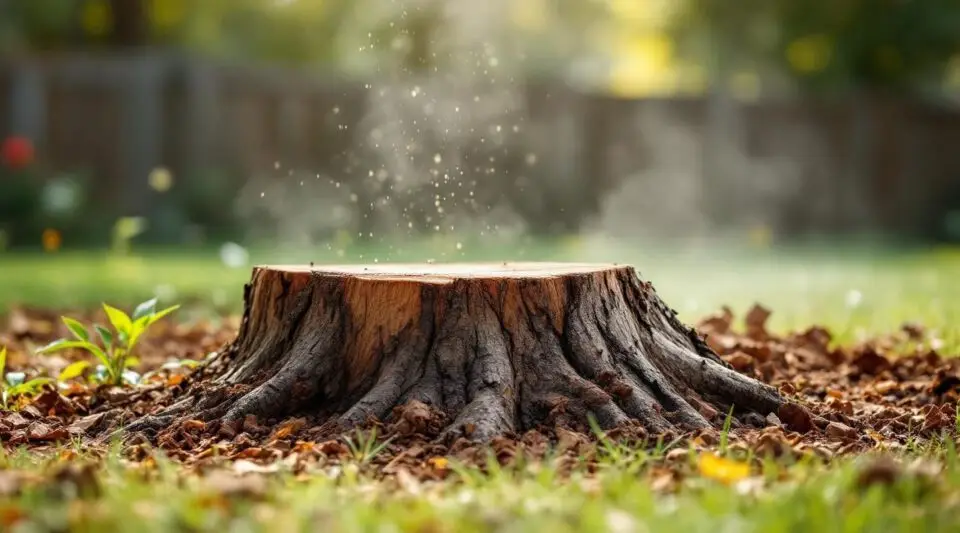
When a mature oak or maple comes down on your Arlington property, the job isn't truly finished until you deal with the massive timber left behind.
Learn more
In Arlington's established neighborhoods, from the historic streets of Lyon Park to the dense canopies of North Arlington, mature white oaks, red maples, and tulip poplars define our local landscape.
Learn more
Reclaiming an overgrown lot or preparing a site for new construction in Arlington requires more than just knocking down trees.
Learn more
When you own a home in Arlington, you are the steward of a beautiful but aging urban canopy.
Learn more
Felling a mature tree in Arlington is never as simple as starting up a chainsaw and making a random cut.
Learn more
Arlington's mature canopy of white oaks, tulip poplars, and silver maples is beautiful, but when a massive tree begins to decay, lean dangerously over a roofline in Clarendon, or interfere with power lines, it becomes an urgent liability.
Learn more
Living in Arlington means enjoying some of the most beautiful, mature tree canopies in Northern Virginia.
Learn more
Mature trees are a defining feature of Arlington neighborhoods, but keeping them safe and healthy requires more than just occasional, random branch cutting.
Learn moreWhen a severe thunderstorm or winter ice storm sweeps through Northern Virginia, the weight of water and wind can turn mature hardwoods into immediate threats.
Learn moreArlington's urban forest is one of Northern Virginia's greatest assets, but managing mature white oaks, red maples, and towering tulip poplars on tight residential lots requires more than a casual chainsaw crew.
Learn moreOvergrown lots in Arlington don't stay manageable for long.
Learn moreFocusing on the reality of owning mature oaks, tulip poplars, or silver maples in tight Arlington neighborhoods like Bluemont or Lyon Village, we know that tree care can feel overwhelming.
Learn moreMature white oaks, red maples, and towering tulip poplars across Arlington often grow dangerously close to historic homes, tight lot lines, and overhead utility lines.
Learn moreWhen a tree comes down on your property, the job is only half-finished if the stump is left behind.
Learn moreArlington's dense, mature canopy of white oaks, silver maples, and towering tulip poplars gives our neighborhoods their distinct character, but it also presents unique challenges when a tree becomes structurally compromised.
Learn moreLiving in Arlington means enjoying some of Northern Virginia's most beautiful mature oaks, tulip poplars, and silver maples.
Learn moreArlington neighborhoods are famous for their lush, mature tree canopies, but those towering white oaks and red maples can quickly turn from assets into serious liabilities.
Learn moreWhen a mature oak or maple comes down on your Arlington property, the job isn't truly finished until you deal with the massive timber left behind.
Learn moreIn Arlington's established neighborhoods, from the historic streets of Lyon Park to the dense canopies of North Arlington, mature white oaks, red maples, and tulip poplars define our local landscape.
Learn moreReclaiming an overgrown lot or preparing a site for new construction in Arlington requires more than just knocking down trees.
Learn moreWhen you own a home in Arlington, you are the steward of a beautiful but aging urban canopy.
Learn moreFelling a mature tree in Arlington is never as simple as starting up a chainsaw and making a random cut.
Learn moreArlington's mature canopy of white oaks, tulip poplars, and silver maples is beautiful, but when a massive tree begins to decay, lean dangerously over a roofline in Clarendon, or interfere with power lines, it becomes an urgent liability.
Learn moreLiving in Arlington means enjoying some of the most beautiful, mature tree canopies in Northern Virginia.
Learn moreMature trees are a defining feature of Arlington neighborhoods, but keeping them safe and healthy requires more than just occasional, random branch cutting.
Learn moreWhen a severe thunderstorm or winter ice storm sweeps through Northern Virginia, the weight of water and wind can turn mature hardwoods into immediate threats.
Learn moreWhen a tree comes down on your property, the job is only half finished.
Learn moreLiving in Arlington means enjoying some of Northern Virginia's most beautiful mature oaks, tulip poplars, and silver maples.
Learn moreArlington neighborhoods are famous for their lush, mature tree canopies, but those towering white oaks and red maples can quickly turn from assets into serious liabilities.
Learn moreWhen you own a home in Arlington, you are the steward of a beautiful but aging urban canopy.
Learn moreArlington's mature canopy of white oaks, tulip poplars, and silver maples is beautiful, but when a massive tree begins to decay, lean dangerously over a roofline in Clarendon, or interfere with power lines, it becomes an urgent liability.
Learn moreI had a big old tree in my backyard that was more of a danger than anything recently. It was leaning dangerously close to the home after a storm so I called this tree service. Right from the beginning they were really responsive and easy to work with. They were there to check out the situation and described the tree removal process in a way that made sense and without trying to upsell unneeded services. The crew arrived on time on the day of the project and were very efficient. Most of all I liked that they were careful with my property and did not destroy the plants and structures near the tree when they removed it. They did the tree stump removal and left the yard clean and ready to use again. Also very helpful in advising me on future maintenance like tree cutting and pruning to avoid problems like this again. Service was smooth and professional and would be happy to use them again if I had need.
Dayna Griffin