- (229) 210-9405
- 101 Buffalo Soldier Ave Bldg 239, Fort Myer, VA, arlington, VA 22211
Our Other Tree Removal Services
A dead tree on your property is a ticking clock. In Arlington, our heavy clay soils and unpredictable weather—from summer nor’easters to freezing winter rain—can rapidly destabilize a structurally compromised trunk. When a tree suffers from root system failure or extensive wood rot, it loses the flexibility to withstand high winds. You might notice canopy dieback or fungal conk mushrooming around the base. These are clear signals that the tree’s internal structure is failing, making immediate action necessary to protect your home, vehicles, and family.
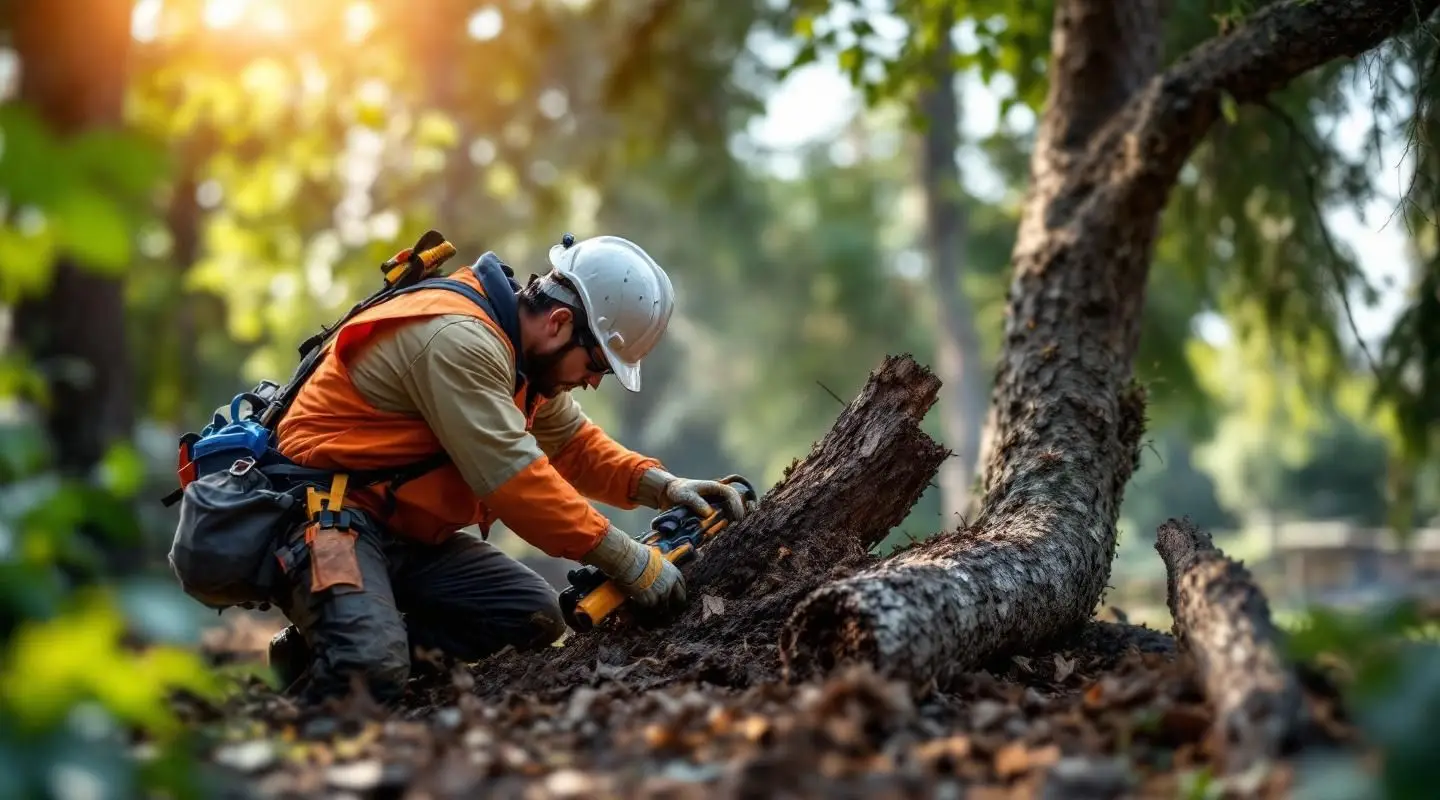
Working with our experienced technicians is critical because dead wood is notoriously brittle. Unlike healthy green trees, dead trees behave unpredictably during cutting. Standard climbing techniques are often too dangerous if structural decay has hollowed out the core. Our crew performs a thorough hazard tree assessment before any equipment starts. We look for cavity formation, bark peeling, and weak branch unions to map out a safe dismantling path.
Depending on where the tree stands relative to your roofline or Dominion Energy power lines, we use specialized rigging and lowering systems or crane-assisted removal to piece the tree down safely. We don’t just drop trunks and hope for the best. We carefully control every cut, lower heavy limbs away from your landscaping, and handle all the debris hauling. If you want to reclaim your yard completely, we can also coordinate stump grinding to leave the area flat and ready for replanting.
Leaving a dead oak or maple standing on your property is a high-stakes gamble against Northern Virginia’s unpredictable weather. When our clay-heavy soils saturate during wet winters, a complete root system failure can happen without warning. Removing these hazards early stops advanced canopy dieback from shedding heavy limbs onto your driveway, fence, or roof. Our approach focuses on identifying structural decay and fungal conk early, ensuring we safely dismantle the timber before it threatens your home.
Beyond physical safety, getting rid of decaying wood eliminates a major breeding ground for pests and wood rot. Termites and carpenter ants thrive in soft, dead wood, and keeping a standing dead tree near your house invites them closer to your foundation. When you hire the experienced technicians at Capitol Tree Care, we manage the entire process from complex rigging and lowering to the final debris hauling. This proactive step keeps your landscape clean, preserves your property value, and completely eliminates the liability exposure of a known hazard tree.
ELIMINATE LIABILITY — Removing dead wood protects you from costly property damage claims and legal issues in Virginia.
STOP PEST INFESTATIONS — Dead trunks attract wood-boring insects like termites that can easily migrate to your home.
PREVENT STORM DAMAGE — Weakened branches and hollow trunks are the first to snap during high winds and heavy snow.
RESTORE CURB APPEAL — Getting rid of unsightly, bare snags instantly improves the look and value of your landscape.
SAFE DISPOSAL — We handle all the heavy lifting, including debris hauling and stump grinding, leaving your yard spotless.
Arlington County has strict rules about canopy preservation, but dead trees are treated differently than healthy ones. Generally, if an ISA certified arborist confirms the tree is completely dead, the permitting process is streamlined or bypassed, but you must still verify your property’s specific zoning and resource protection area (RPA) status. Working with us ensures you don’t run into code violations. We handle the paperwork and coordinate with Arlington County Urban Forestry to ensure your Dead Tree Removal in Arlington, VA is fully compliant. This protects you from costly fines and eliminates unnecessary liability exposure if the tree is near a public right-of-way.
Pricing for Dead Tree Removal in Arlington, VA depends heavily on the tree’s size, its proximity to homes or power lines, and its level of structural decay. Dead wood is brittle and unpredictable, which often makes rigging and lowering branches more dangerous than cutting healthy wood. For highly unstable trees, we must use crane-assisted removal to protect your property. A typical job includes cutting down the trunk and debris hauling, while stump grinding is usually priced as an add-on. Because every situation in Arlington is unique, we always provide a detailed, upfront estimate on-site so you never face surprise fees.
It is easy to mistake a dormant tree for a dead one, especially in early spring. Look closely at the branches for signs of canopy dieback or brittle twigs that snap easily. Examine the trunk for fungal conk growth, deep cavity formation, or peeling bark, which indicate advanced wood rot and internal structural decay. If you scratch a small twig and find dry brown wood instead of moist green tissue underneath, the branch is dead. When you suspect root system failure, it is time to call professionals. We can perform a hazard tree assessment to determine if Dead Tree Removal in Arlington, VA is truly necessary or if the tree can be saved.
Under Virginia law, if a dead tree falls and damages a neighbor’s property, you can be held legally liable if it is proven you knew the tree was hazardous and neglected to address it. This is a major liability exposure for homeowners. Insurance companies often deny claims if they find evidence of pre-existing wood rot that was ignored. Proactive snag removal is always cheaper than a lawsuit or property damage claim. If you notice structural issues, getting a professional hazard tree assessment is your best defense. Taking care of your Dead Tree Removal in Arlington, VA before the next storm hits protects your finances and keeps peace with your neighbors.
Leaving a structurally compromised tree standing on your property is a quiet gamble against Northern Virginia’s volatile weather. Wood rot and advanced decay can turn a mature oak or maple into an immediate hazard during the next heavy windstorm. Our crew brings the specialized rigging and lowering gear needed to dismantle unstable trunks safely, even in tight residential neighborhoods.
Do not wait for an unexpected root system failure to damage your home or power lines. You can explore all our services to see how we manage the entire process, from the initial hazard tree assessment to stump grinding and thorough debris hauling. Reach out to us today for a straightforward, on-site evaluation.
When you are dealing with a dead tree, you cannot afford to hire an uncertified crew or attempt a dangerous DIY project. At Capitol Tree Care, we bring years of hands-on experience in Northern Virginia’s unique urban canopy. Our crew includes an ISA certified arborist who understands how structural decay and wood rot make brittle oaks and maples unpredictable. We do not guess; we perform a thorough hazard tree assessment before any rigging and lowering begins, ensuring your home and family remain completely safe.
As a locally owned company, we do not operate like distant national chains that treat you like a number on a spreadsheet. We own our specialized equipment, from heavy-duty log loaders to high-capacity chippers, allowing us to handle everything from standard snag removal to complex crane-assisted removal in tight residential yards. When you work with our crew, you get upfront, transparent pricing with absolutely no hidden fees for debris hauling or yard cleanup.
We back our work with comprehensive general liability and workers’ compensation insurance, protecting you from any liability exposure. From the moment we arrive for your free on-site estimate to the final pass of our stump grinding machinery, we treat your property with the respect it deserves. We do not leave a mess, and we do not leave until you are completely satisfied with the state of your lawn.
Leaving a dead tree standing on your property is a ticking clock. As wood rot takes hold, the tree loses its structural integrity from the inside out. What looks like a sturdy trunk can actually be riddled with cavity formation and fungal conk growth, making it highly unpredictable. In Arlington, our clay-heavy soils and frequent wet winters accelerate root system failure, meaning a tree that seems stable today could easily topple during the next heavy storm. When you ignore these warning signs, you significantly increase your liability exposure if that timber falls on a neighbor’s roof, a parked car, or a pedestrian pathway.
Addressing these hazards early is much safer and more cost-effective than waiting for an emergency. When our experienced technicians, guided by an ISA certified arborist, conduct a hazard tree assessment, we look for signs of advanced canopy dieback and deep structural decay. If the tree is already highly compromised, standard climbing becomes too dangerous. In those cases, we must use crane-assisted removal or complex rigging and lowering techniques to systematically dismantle the tree without tearing up your lawn or damaging nearby structures. Proactive snag removal ensures we can control the drop completely, rather than letting nature decide where hundreds of pounds of decaying wood will land.
Beyond the immediate safety threats, dead trees act as magnets for pests like termites and carpenter ants, which can quickly migrate to your home’s foundation. Removing the hazard is only the first step; completing the job requires thorough debris hauling and professional stump grinding to reclaim your yard. By taking care of the issue before the wood becomes brittle and dangerous to climb, you protect your property value, keep your family safe, and avoid the premium costs associated with emergency storm cleanup.
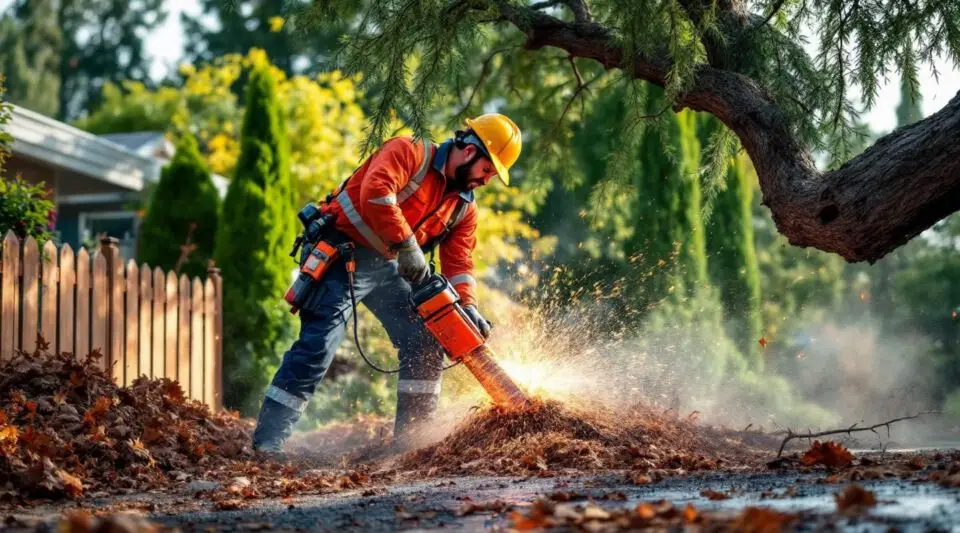
When a severe thunderstorm or winter ice storm sweeps through Northern Virginia, the weight of water and wind can turn mature hardwoods into immediate threats.
Learn more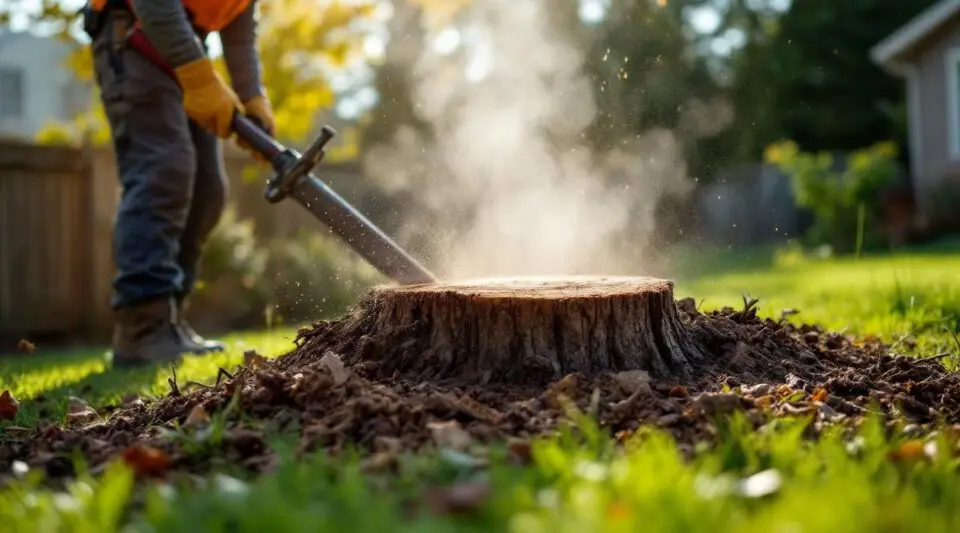
When a tree comes down on your property, the job is only half finished.
Learn more
Arlington's urban forest is one of Northern Virginia's greatest assets, but managing mature white oaks, red maples, and towering tulip poplars on tight residential lots requires more than a casual chainsaw crew.
Learn more
Arlington’s historic neighborhoods, from Cherrydale to Lyon Village, owe much of their character to a mature, towering tree canopy.
Learn more
Focusing on the reality of owning mature oaks, tulip poplars, or silver maples in tight Arlington neighborhoods like Bluemont or Lyon Village, we know that tree care can feel overwhelming.
Learn more
Mature white oaks, red maples, and towering tulip poplars across Arlington often grow dangerously close to historic homes, tight lot lines, and overhead utility lines.
Learn more
When a tree comes down on your property, the job is only half-finished if the stump is left behind.
Learn more
Arlington's dense, mature canopy of white oaks, silver maples, and towering tulip poplars gives our neighborhoods their distinct character, but it also presents unique challenges when a tree becomes structurally compromised.
Learn more
Living in Arlington means enjoying some of Northern Virginia's most beautiful mature oaks, tulip poplars, and silver maples.
Learn more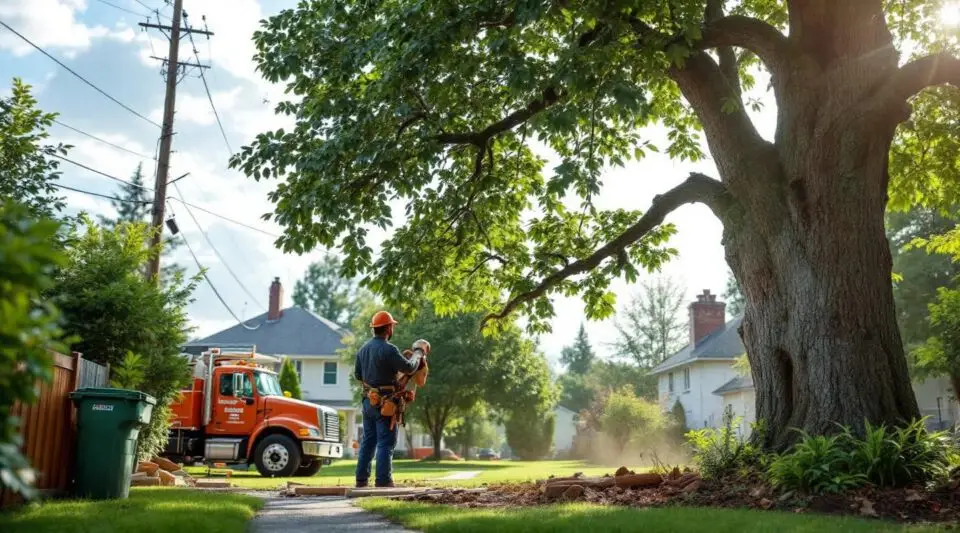
Arlington neighborhoods are famous for their lush, mature tree canopies, but those towering white oaks and red maples can quickly turn from assets into serious liabilities.
Learn more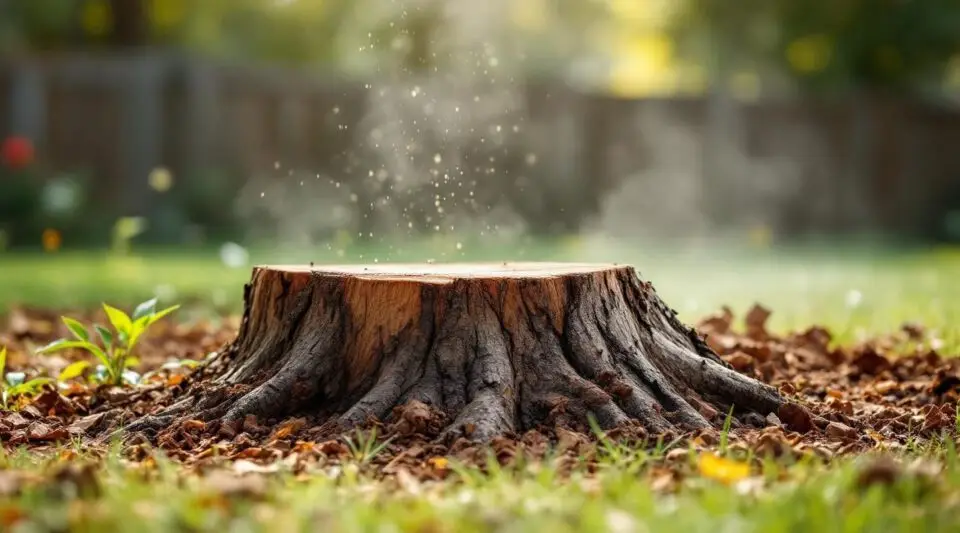
When a mature oak or maple comes down on your Arlington property, the job isn't truly finished until you deal with the massive timber left behind.
Learn more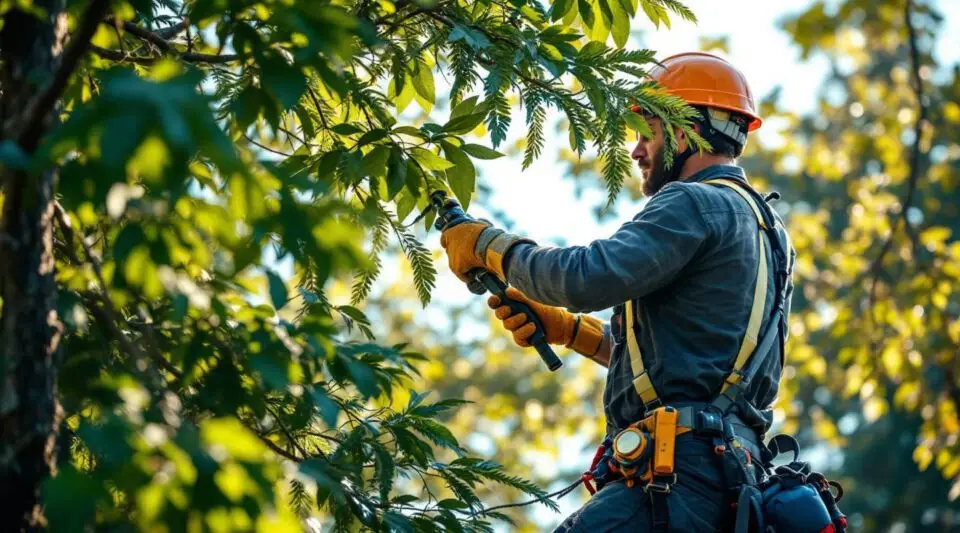
In Arlington's established neighborhoods, from the historic streets of Lyon Park to the dense canopies of North Arlington, mature white oaks, red maples, and tulip poplars define our local landscape.
Learn more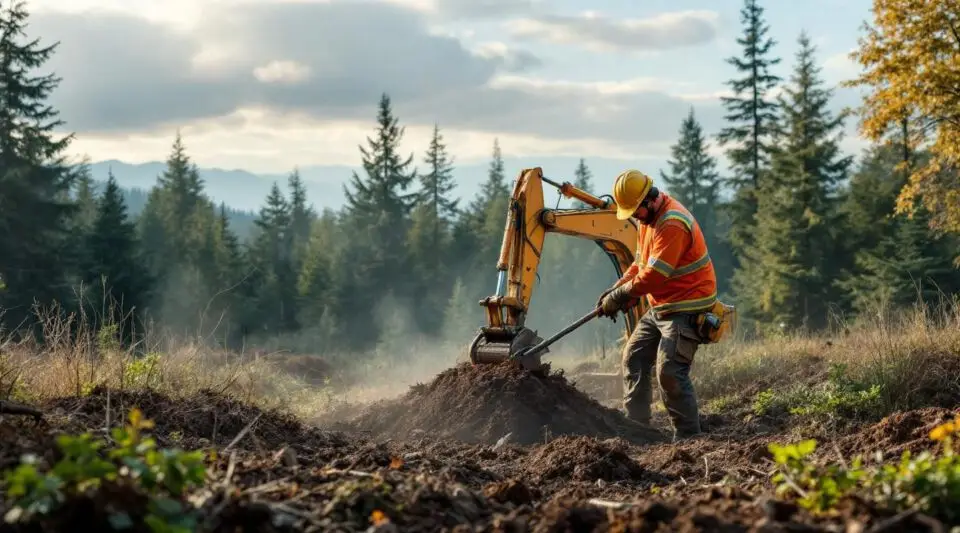
Reclaiming an overgrown lot or preparing a site for new construction in Arlington requires more than just knocking down trees.
Learn more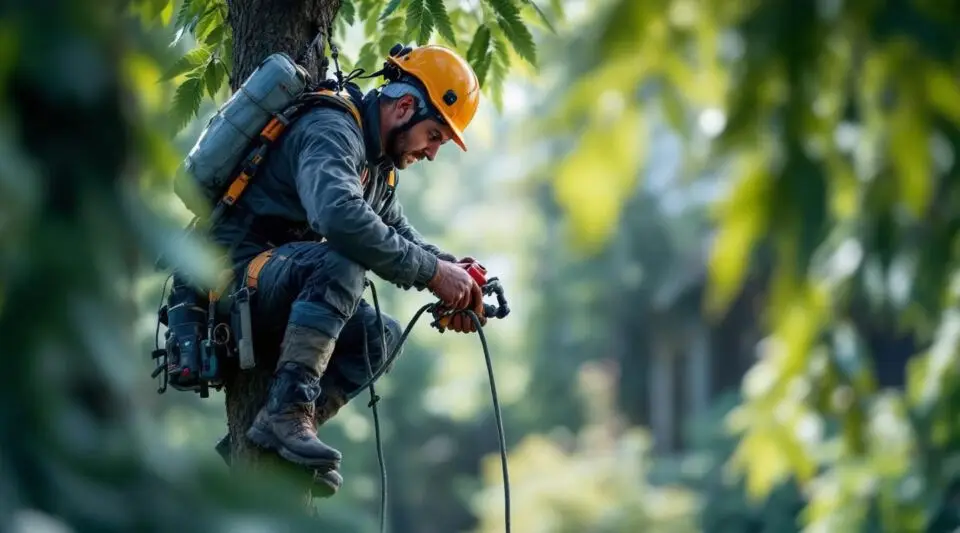
When you own a home in Arlington, you are the steward of a beautiful but aging urban canopy.
Learn more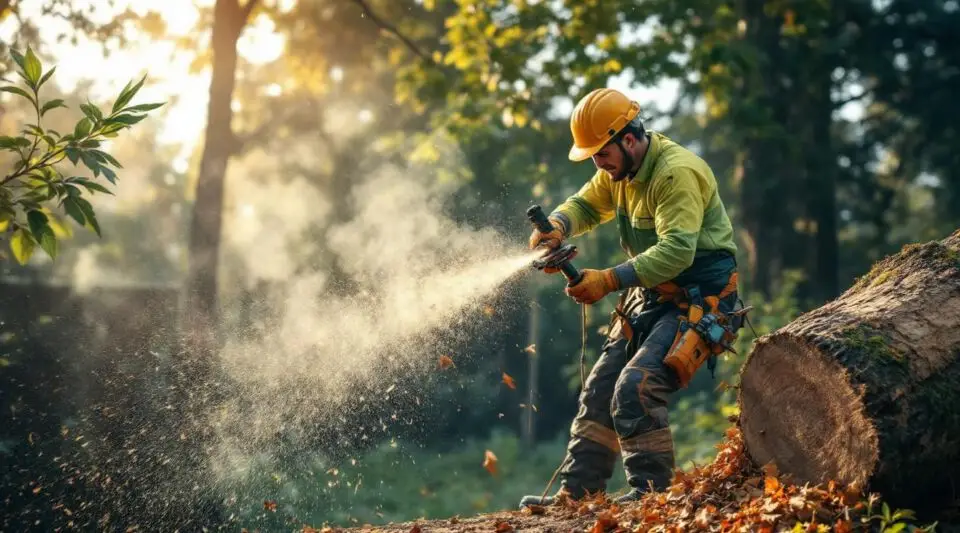
Felling a mature tree in Arlington is never as simple as starting up a chainsaw and making a random cut.
Learn more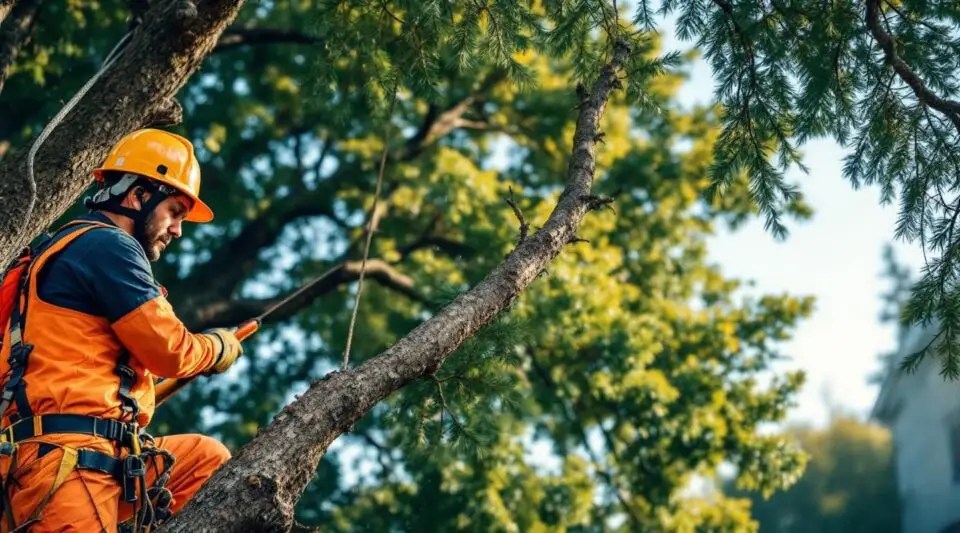
Arlington's mature canopy of white oaks, tulip poplars, and silver maples is beautiful, but when a massive tree begins to decay, lean dangerously over a roofline in Clarendon, or interfere with power lines, it becomes an urgent liability.
Learn more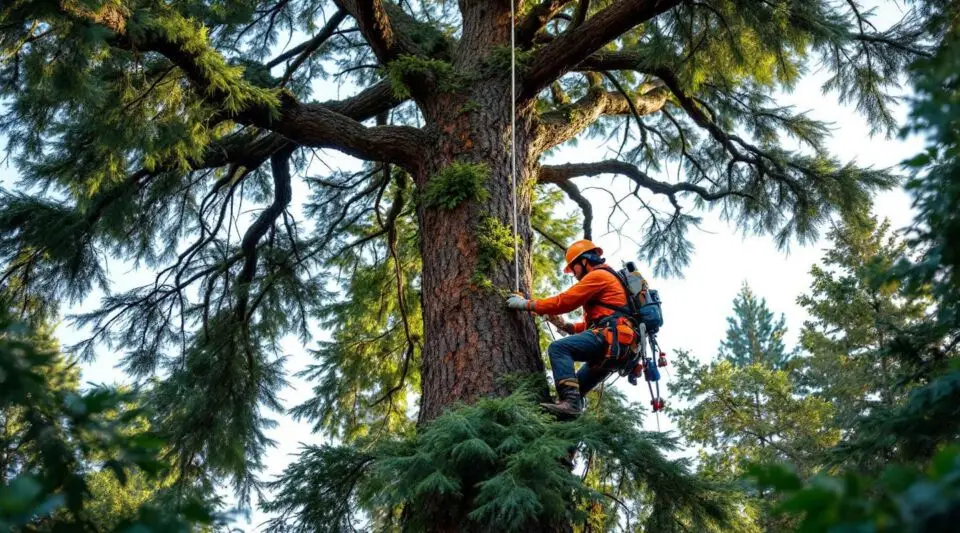
Living in Arlington means enjoying some of the most beautiful, mature tree canopies in Northern Virginia.
Learn more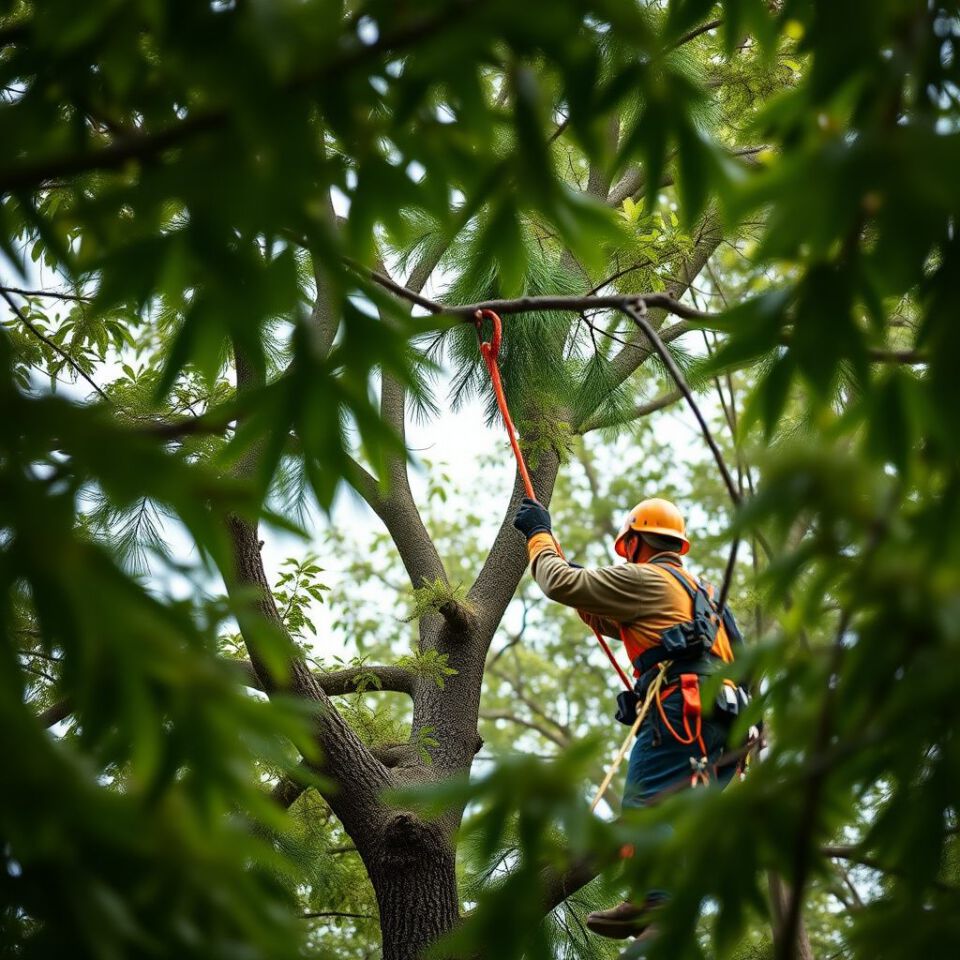
Mature trees are a defining feature of Arlington neighborhoods, but keeping them safe and healthy requires more than just occasional, random branch cutting.
Learn moreWhen a severe thunderstorm or winter ice storm sweeps through Northern Virginia, the weight of water and wind can turn mature hardwoods into immediate threats.
Learn moreArlington's urban forest is one of Northern Virginia's greatest assets, but managing mature white oaks, red maples, and towering tulip poplars on tight residential lots requires more than a casual chainsaw crew.
Learn moreOvergrown lots in Arlington don't stay manageable for long.
Learn moreArlington’s historic neighborhoods, from Cherrydale to Lyon Village, owe much of their character to a mature, towering tree canopy.
Learn moreFocusing on the reality of owning mature oaks, tulip poplars, or silver maples in tight Arlington neighborhoods like Bluemont or Lyon Village, we know that tree care can feel overwhelming.
Learn moreMature white oaks, red maples, and towering tulip poplars across Arlington often grow dangerously close to historic homes, tight lot lines, and overhead utility lines.
Learn moreWhen a tree comes down on your property, the job is only half-finished if the stump is left behind.
Learn moreArlington's dense, mature canopy of white oaks, silver maples, and towering tulip poplars gives our neighborhoods their distinct character, but it also presents unique challenges when a tree becomes structurally compromised.
Learn moreLiving in Arlington means enjoying some of Northern Virginia's most beautiful mature oaks, tulip poplars, and silver maples.
Learn moreArlington neighborhoods are famous for their lush, mature tree canopies, but those towering white oaks and red maples can quickly turn from assets into serious liabilities.
Learn moreWhen a mature oak or maple comes down on your Arlington property, the job isn't truly finished until you deal with the massive timber left behind.
Learn moreIn Arlington's established neighborhoods, from the historic streets of Lyon Park to the dense canopies of North Arlington, mature white oaks, red maples, and tulip poplars define our local landscape.
Learn moreReclaiming an overgrown lot or preparing a site for new construction in Arlington requires more than just knocking down trees.
Learn moreWhen you own a home in Arlington, you are the steward of a beautiful but aging urban canopy.
Learn moreFelling a mature tree in Arlington is never as simple as starting up a chainsaw and making a random cut.
Learn moreArlington's mature canopy of white oaks, tulip poplars, and silver maples is beautiful, but when a massive tree begins to decay, lean dangerously over a roofline in Clarendon, or interfere with power lines, it becomes an urgent liability.
Learn moreLiving in Arlington means enjoying some of the most beautiful, mature tree canopies in Northern Virginia.
Learn moreMature trees are a defining feature of Arlington neighborhoods, but keeping them safe and healthy requires more than just occasional, random branch cutting.
Learn moreWhen a severe thunderstorm or winter ice storm sweeps through Northern Virginia, the weight of water and wind can turn mature hardwoods into immediate threats.
Learn moreWhen a tree comes down on your property, the job is only half finished.
Learn moreLiving in Arlington means enjoying some of Northern Virginia's most beautiful mature oaks, tulip poplars, and silver maples.
Learn moreArlington neighborhoods are famous for their lush, mature tree canopies, but those towering white oaks and red maples can quickly turn from assets into serious liabilities.
Learn moreWhen you own a home in Arlington, you are the steward of a beautiful but aging urban canopy.
Learn moreArlington's mature canopy of white oaks, tulip poplars, and silver maples is beautiful, but when a massive tree begins to decay, lean dangerously over a roofline in Clarendon, or interfere with power lines, it becomes an urgent liability.
Learn moreI had a big old tree in my backyard that was more of a danger than anything recently. It was leaning dangerously close to the home after a storm so I called this tree service. Right from the beginning they were really responsive and easy to work with. They were there to check out the situation and described the tree removal process in a way that made sense and without trying to upsell unneeded services. The crew arrived on time on the day of the project and were very efficient. Most of all I liked that they were careful with my property and did not destroy the plants and structures near the tree when they removed it. They did the tree stump removal and left the yard clean and ready to use again. Also very helpful in advising me on future maintenance like tree cutting and pruning to avoid problems like this again. Service was smooth and professional and would be happy to use them again if I had need.
Dayna Griffin