- (229) 210-9405
- 101 Buffalo Soldier Ave Bldg 239, Fort Myer, VA, arlington, VA 22211
Our Other Tree Removal Services
When you own a home in Arlington, you are the steward of a beautiful but aging urban canopy. Mature white oaks, towering tulip poplars, and historic American elms define our neighborhoods, but they also face unique urban stressors. From the clay-heavy soils of Northern Virginia to the sudden, violent summer thunderstorms that sweep across the Potomac, your trees endure a lot. That is why a standard tree-cutting crew is not always enough. You need an expert who understands tree biology, local soil conditions, and structural physics to perform a comprehensive tree risk assessment before any saws are started.
At Capitol Tree Care, we bring formal ISA certification directly to your property. We do not just look at a leaning trunk and recommend an expensive removal. Instead, we perform a systematic tree health diagnosis, evaluating everything from root flare stability to crown dieback. Our assessments follow strict ANSI A300 standards to ensure every recommendation is backed by modern arboricultural science. Whether you are dealing with a suspected hazard tree identification near your roofline or simply want to preserve a prized specimen, we provide clear, objective answers.
We help you navigate the local regulatory landscape as well. Arlington County maintains strict tree canopy preservation ordinances, often requiring formal documentation from a credentialed professional before any major tree work can proceed. We can compile detailed reports for county permits, insurance claims, or HOA approvals. If you are planning a renovation or addition, we can also design a custom tree preservation plan to protect critical root zones from heavy construction equipment. Explore all our services to see how we combine scientific analysis with practical, hands-on care.
When you look at a mature white oak or tulip poplar towering over your Arlington home, you might wonder if that slight lean or dead branch is an emergency or just natural aging. Hiring a general tree crew often leads to a quick recommendation to cut it down—after all, that’s how they make their money. By choosing a professional tree health diagnosis, you get an objective, science-based evaluation. We look closely at the soil conditions, check for wood-decay fungi, and perform a thorough root zone inspection to find out exactly what is happening beneath the surface before anyone starts up a chainsaw.
Our approach follows strict ANSI A300 standards to ensure we only recommend treatments that actually improve the structural integrity of your trees. Whether you need a formal tree preservation plan for a new home addition or a certified tree risk assessment to satisfy your HOA, our team provides the clear, documented answers you need. We help you avoid the massive expense of unnecessary removals while protecting your home from hidden structural failures during Northern Virginia’s intense summer storms.
ACCURATE DIAGNOSIS — We identify the exact fungal pathogens or pests affecting your canopy rather than guessing.
PREVENT REMOVALS — Save majestic, mature trees with targeted pruning specifications and deep root fertilization.
COUNTY COMPLIANCE — Get the certified arborist reports required by Arlington County for tree removal permits.
STORM RESILIENCE — Spot structural defects and hollow trunks early through systematic crown evaluation.
LIABILITY PROTECTION — Documented hazard tree identification shields you from neighbor disputes and insurance issues.
Yes, depending on the size and location of your tree, you might need a permit. Arlington County enforces strict regulations to protect its local urban forestry canopy. Generally, if a tree is dead, dying, or poses an immediate safety hazard, removal is permitted, but you often need documented proof. When we provide Certified Arborist Services in Arlington, VA, we perform a thorough hazard tree identification and can compile the necessary tree preservation plan or arborist report required by the county. If you are dealing with mature oaks or elms, we highly recommend checking the official Arlington County Tree Canopy regulations before scheduling any cutting. This ensures you avoid costly fines and stay fully compliant with local environmental codes.
A standard tree trimmer focuses primarily on the manual labor of cutting limbs down. In contrast, an arborist holds an ISA certification, meaning they have passed rigorous testing on tree biology, diagnosis, and safety. When you hire us for Certified Arborist Services in Arlington, VA, you get science-backed care. We follow strict ANSI A300 standards for pruning, which prevents long-term damage like bark tearing or decay. Our assessments look at the whole system, including a root zone inspection and disease and pest diagnosis. If you want to know more about the credentials of our team, we are always happy to share our certification numbers. This expertise prevents you from paying for unnecessary removals of trees that could easily be saved with proper care.
A professional consultation involves deep technical work, which is why it carries a fee, unlike a basic sales estimate. The cost in Arlington typically ranges depending on the number of trees, the complexity of the tree health diagnosis, and whether you require a formal written report for an insurance claim or a county permit. When you invest in Certified Arborist Services in Arlington, VA, you are paying for an unbiased, expert tree risk assessment. If you proceed with the recommended treatments or removals with us, we often credit a portion of that consultation fee back toward your scheduled service. This upfront analysis saves you thousands of dollars by preventing the unnecessary removal of healthy, mature trees that simply need targeted structural pruning.
It depends on the extent of the structural damage and the health of the root system. Arlington’s clay-heavy soils can sometimes lead to root instability after heavy rain, causing trees to lean. During a crown evaluation, we look for split trunks, decay, and compromised root zones. Through our Certified Arborist Services in Arlington, VA, we can often stabilize a structurally compromised tree using dynamic cabling and bracing systems rather than resorting to immediate removal. We will also perform a hazard tree identification to determine if the tree poses an unacceptable risk to your home or neighboring properties. If the structural integrity is too far gone, we will honestly advise you on the safest removal options to protect your property.
If you are worried about a leaning oak over your driveway or need a formal tree preservation plan for a county permit, we can help. Our ISA certification means we do not just guess; we diagnose. We look at the root system, inspect the canopy, and give you clear, actionable steps based on ANSI A300 standards.
Don’t wait for the next heavy storm to find out if that hollow trunk is a hazard. You can talk directly with our team of credentialed experts to schedule an on-site tree risk assessment. We will help you protect your property and keep your landscape healthy.
When you need an expert eye on your property, you shouldn’t have to worry about a high-pressure sales pitch disguised as professional advice. At Capitol Tree Care, we do things differently. Our team is led by active ISA Certified Arborists who prioritize tree preservation and accurate tree health diagnosis over quick, unnecessary removals. We live and work right here in Northern Virginia, meaning we understand how Arlington’s clay-heavy soils, seasonal droughts, and local preservation ordinances affect mature oaks and tulip poplars.
Unlike general landscape crews or break-fix operations that cut corners, we perform every job in strict accordance with ANSI A300 pruning standards. This scientific approach ensures your trees remain structurally sound and beautiful for decades. Whether we are conducting a detailed tree risk assessment or drafting a formal report for Arlington County permit offices, we back our work with comprehensive liability insurance and workers’ compensation. You can learn more about our company and our commitment to safety-first urban forestry on our dedicated team page.
We don’t believe in hidden fees or vague estimates. Capitol Tree Care provides clear, transparent quotes that outline exactly what your property needs. From post-storm hazard tree identification to routine crown evaluations, you get honest, credentialed expertise from a locally-owned business that treats your yard like our own.
Ignoring the structural integrity of mature oaks and tulip poplars on your property can lead to catastrophic failures during sudden Northern Virginia storms. A standard tree crew might look at a leaning trunk and immediately recommend an expensive removal, but a certified arborist approaches the situation with scientific precision. By performing a thorough tree risk assessment and crown evaluation, we identify internal decay, trunk cavities, and weak branch attachments before they fail. This proactive approach prevents devastating property damage, avoids costly liability issues with neighbors, and keeps you compliant with Arlington County’s strict tree canopy preservation ordinance.
Arlington’s clay-heavy soils and hot, dry summers create a stressful environment for root systems, making trees highly susceptible to fungal pathogens and pest infestations. Without a proper root zone inspection and disease and pest diagnosis, subtle warning signs like early leaf drop or crown dieback are easily missed. We use ANSI A300 standards to guide our pruning specifications, ensuring that any structural trimming we perform actually improves the tree’s health rather than stressing it further. If you are planning a home addition or landscape remodel, having a formal tree preservation plan in place is essential to protect critical root zones from heavy equipment compaction.
Many homeowners struggle with conflicting advice from different companies, often worrying they are being upsold on unnecessary removals. Partnering with all our services team ensures you receive an objective, science-based tree health diagnosis. Whether you need a written arborist report for an insurance claim, a tree appraisal for legal purposes, or a hazard tree identification to satisfy your HOA, our credentials provide the official documentation that local authorities and insurers require. We focus on saving trees whenever possible, using cabling, bracing, and targeted soil management to restore vitality to specimens that others would simply cut down.
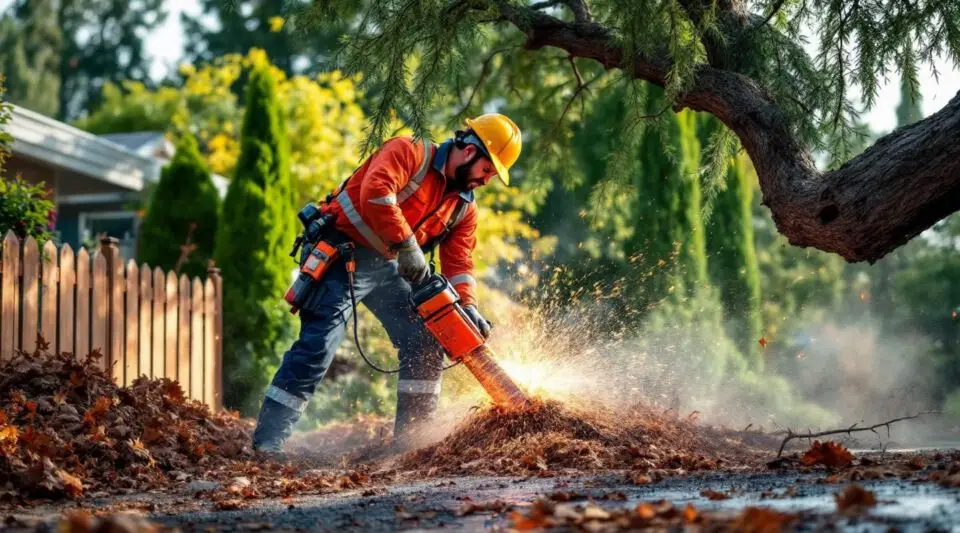
When a severe thunderstorm or winter ice storm sweeps through Northern Virginia, the weight of water and wind can turn mature hardwoods into immediate threats.
Learn more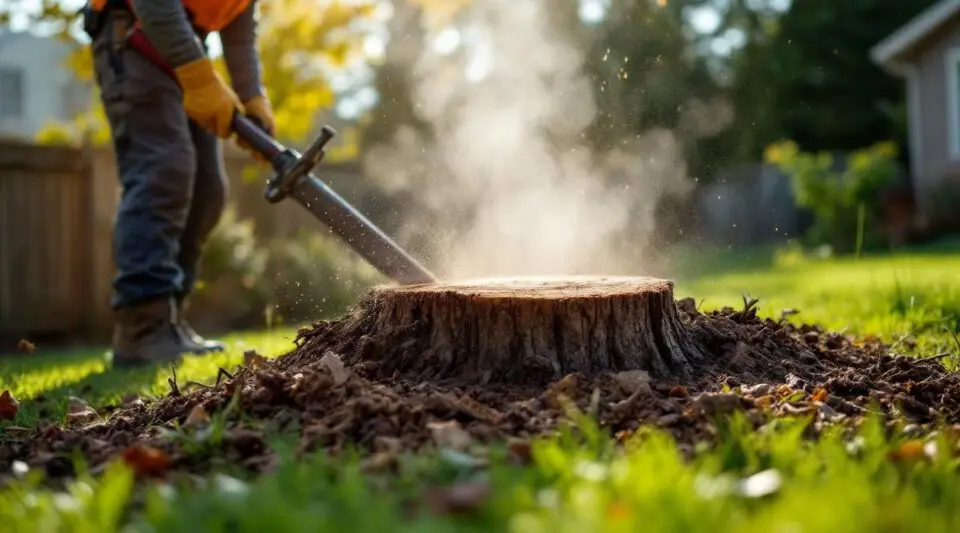
When a tree comes down on your property, the job is only half finished.
Learn more
Arlington's urban forest is one of Northern Virginia's greatest assets, but managing mature white oaks, red maples, and towering tulip poplars on tight residential lots requires more than a casual chainsaw crew.
Learn more
Arlington’s historic neighborhoods, from Cherrydale to Lyon Village, owe much of their character to a mature, towering tree canopy.
Learn more
Focusing on the reality of owning mature oaks, tulip poplars, or silver maples in tight Arlington neighborhoods like Bluemont or Lyon Village, we know that tree care can feel overwhelming.
Learn more
Mature white oaks, red maples, and towering tulip poplars across Arlington often grow dangerously close to historic homes, tight lot lines, and overhead utility lines.
Learn more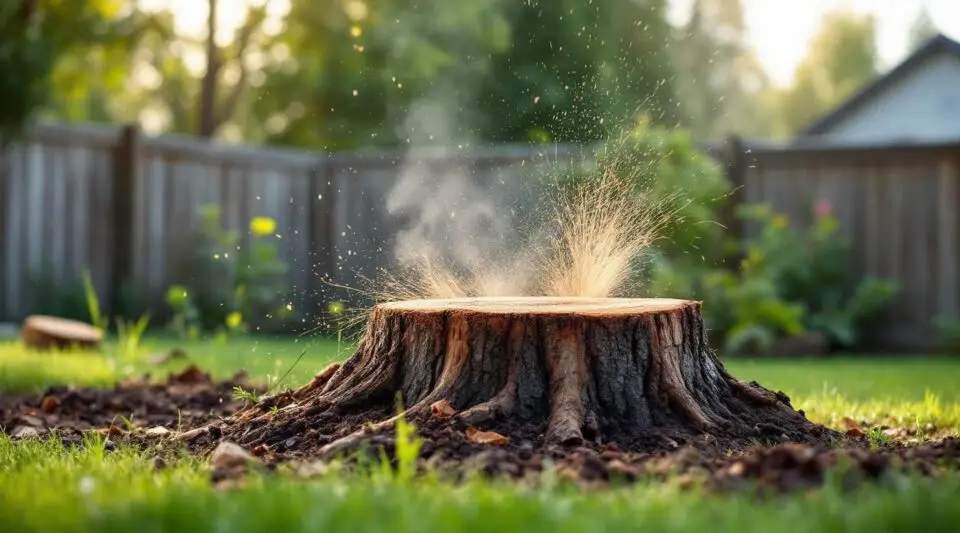
When a tree comes down on your property, the job is only half-finished if the stump is left behind.
Learn more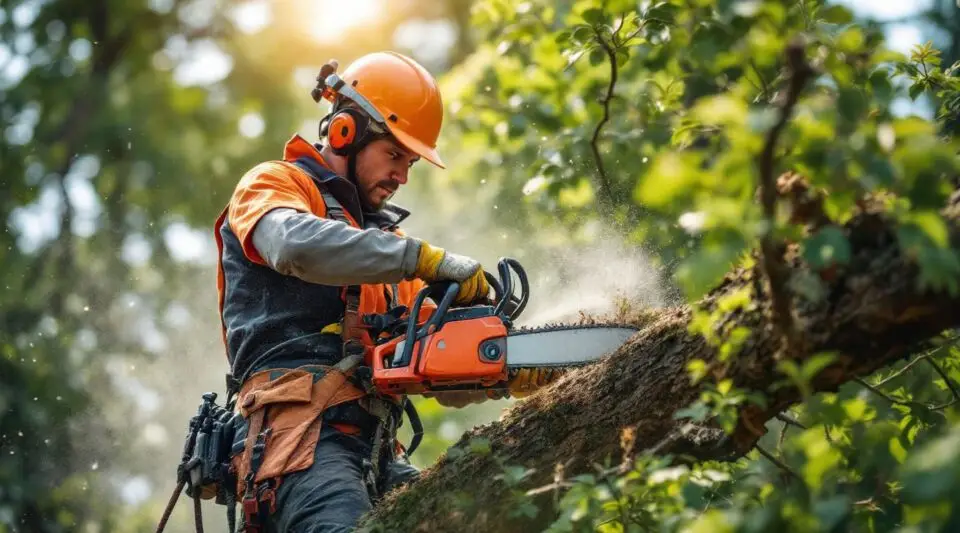
Arlington's dense, mature canopy of white oaks, silver maples, and towering tulip poplars gives our neighborhoods their distinct character, but it also presents unique challenges when a tree becomes structurally compromised.
Learn more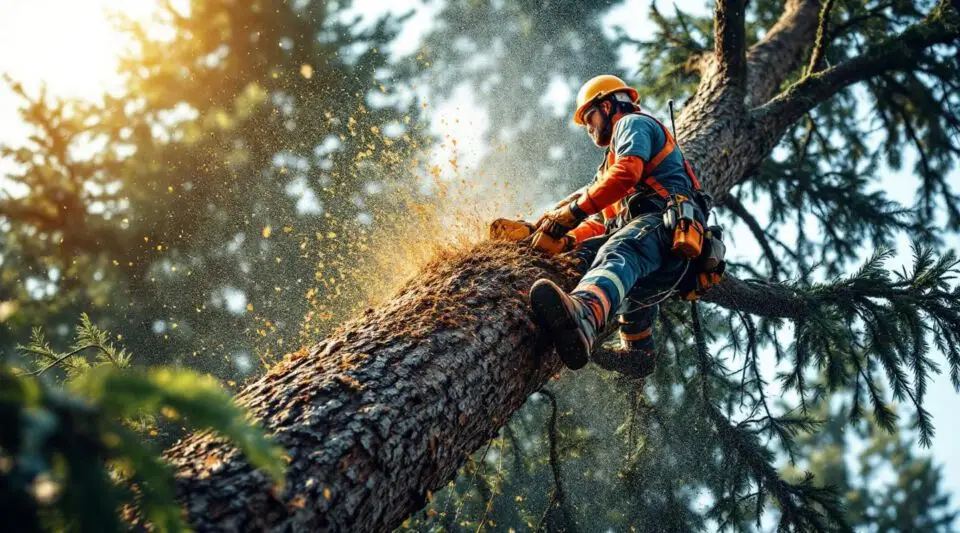
Living in Arlington means enjoying some of Northern Virginia's most beautiful mature oaks, tulip poplars, and silver maples.
Learn more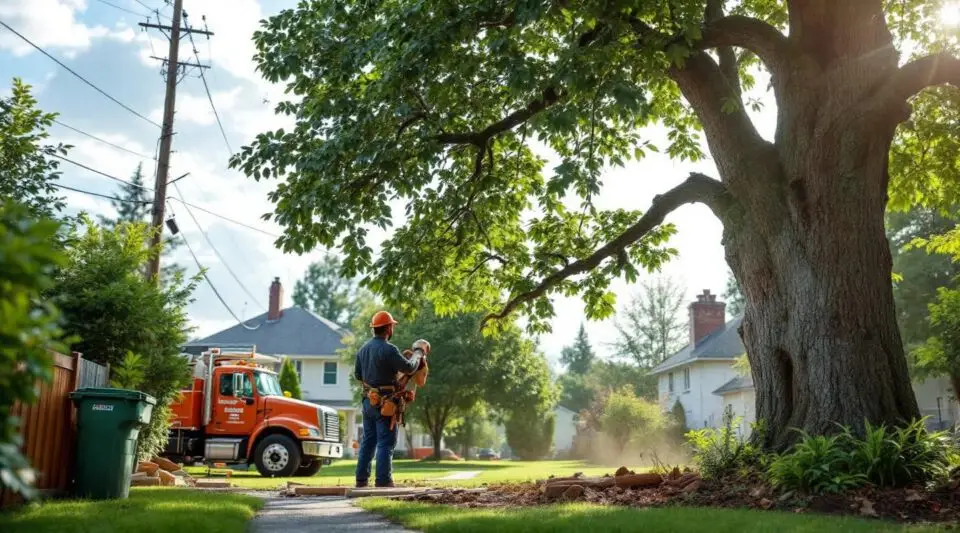
Arlington neighborhoods are famous for their lush, mature tree canopies, but those towering white oaks and red maples can quickly turn from assets into serious liabilities.
Learn more
When a mature oak or maple comes down on your Arlington property, the job isn't truly finished until you deal with the massive timber left behind.
Learn more
In Arlington's established neighborhoods, from the historic streets of Lyon Park to the dense canopies of North Arlington, mature white oaks, red maples, and tulip poplars define our local landscape.
Learn more
Reclaiming an overgrown lot or preparing a site for new construction in Arlington requires more than just knocking down trees.
Learn more
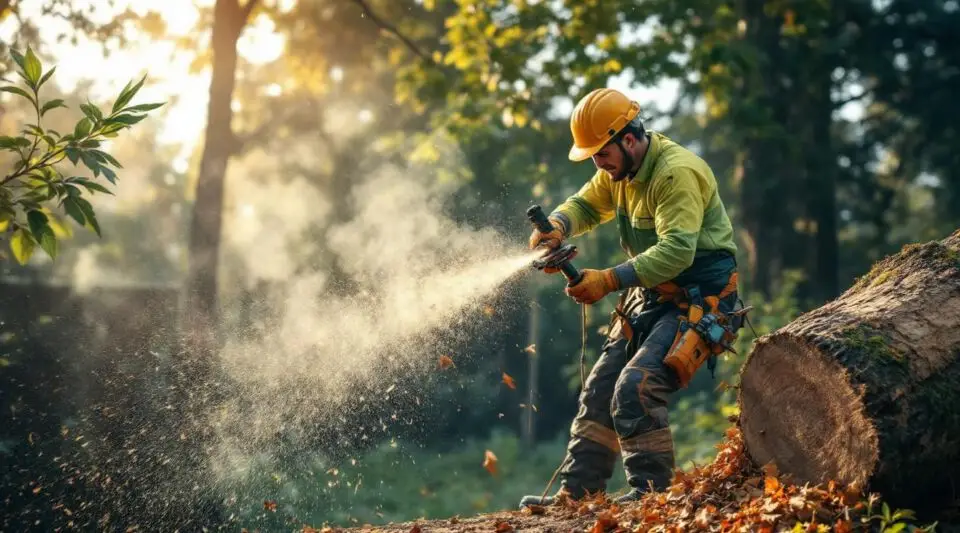
Felling a mature tree in Arlington is never as simple as starting up a chainsaw and making a random cut.
Learn more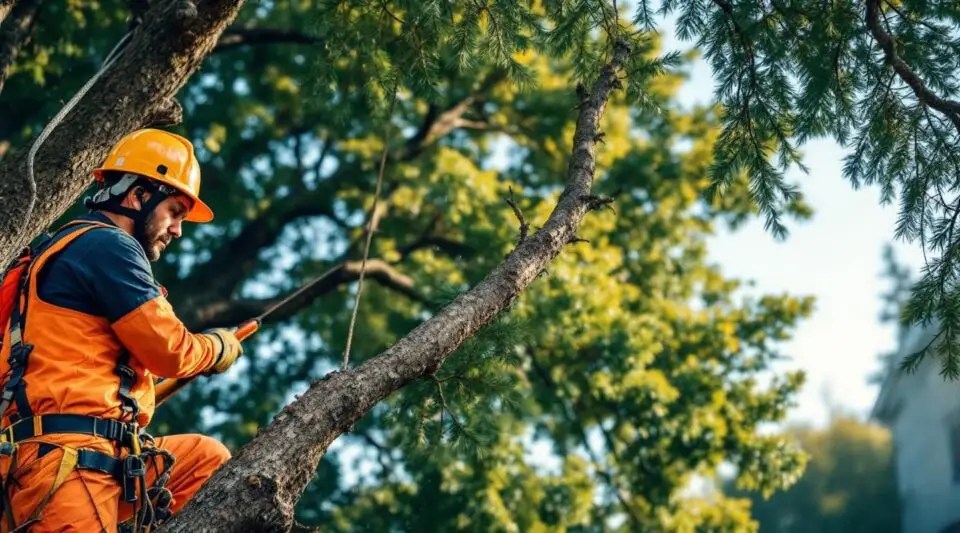
Arlington's mature canopy of white oaks, tulip poplars, and silver maples is beautiful, but when a massive tree begins to decay, lean dangerously over a roofline in Clarendon, or interfere with power lines, it becomes an urgent liability.
Learn more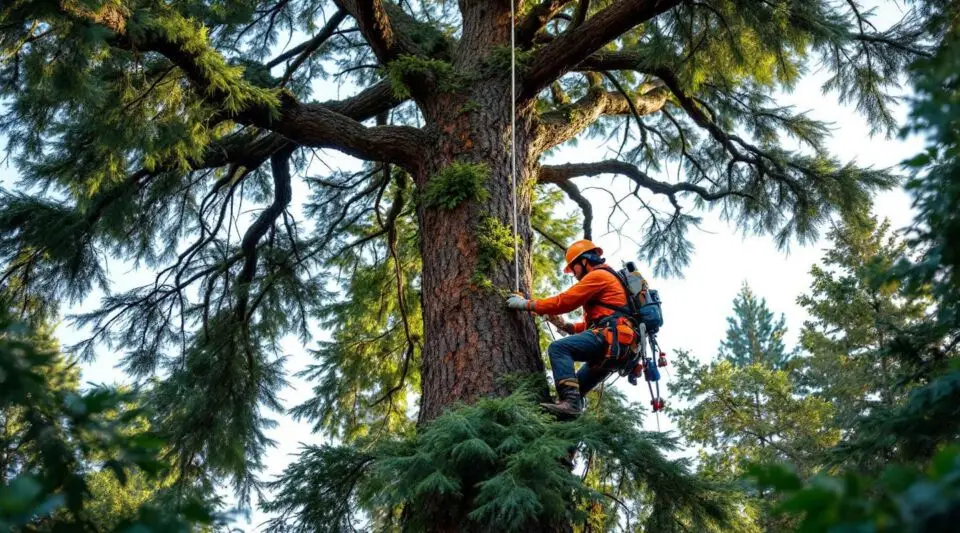
Living in Arlington means enjoying some of the most beautiful, mature tree canopies in Northern Virginia.
Learn more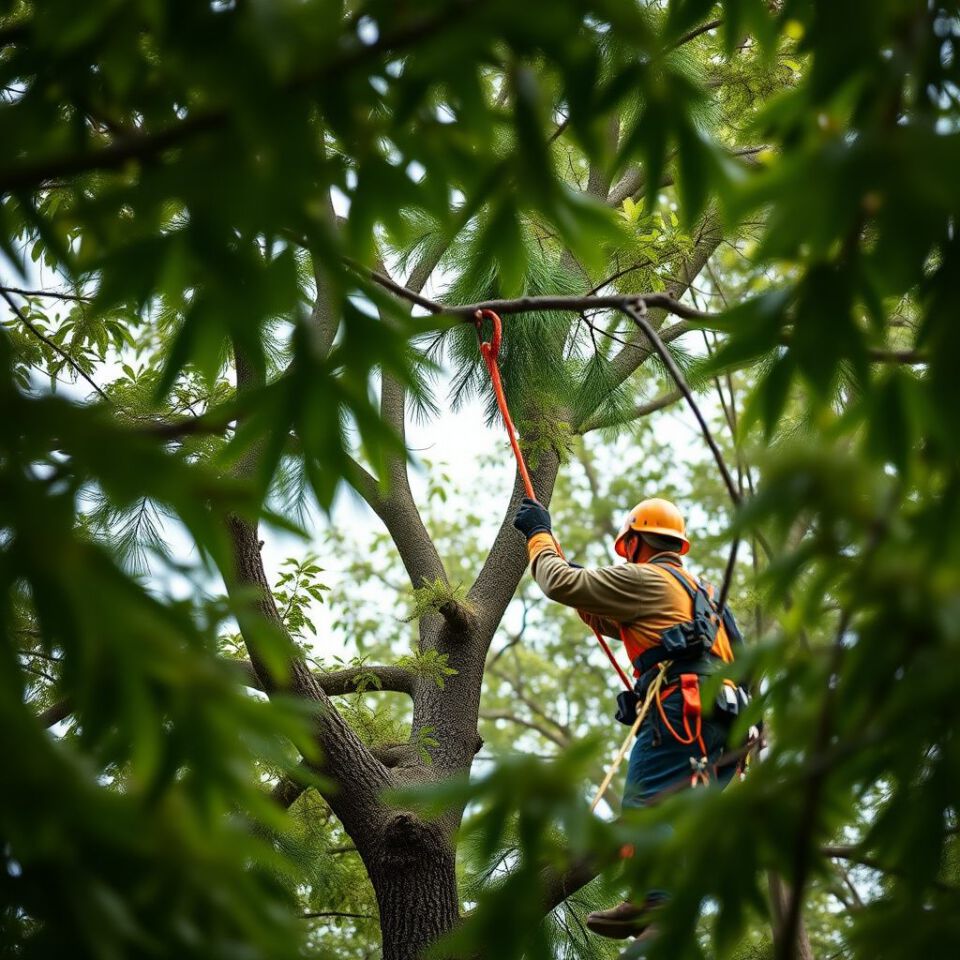
Mature trees are a defining feature of Arlington neighborhoods, but keeping them safe and healthy requires more than just occasional, random branch cutting.
Learn moreWhen a severe thunderstorm or winter ice storm sweeps through Northern Virginia, the weight of water and wind can turn mature hardwoods into immediate threats.
Learn moreArlington's urban forest is one of Northern Virginia's greatest assets, but managing mature white oaks, red maples, and towering tulip poplars on tight residential lots requires more than a casual chainsaw crew.
Learn moreOvergrown lots in Arlington don't stay manageable for long.
Learn moreArlington’s historic neighborhoods, from Cherrydale to Lyon Village, owe much of their character to a mature, towering tree canopy.
Learn moreFocusing on the reality of owning mature oaks, tulip poplars, or silver maples in tight Arlington neighborhoods like Bluemont or Lyon Village, we know that tree care can feel overwhelming.
Learn moreMature white oaks, red maples, and towering tulip poplars across Arlington often grow dangerously close to historic homes, tight lot lines, and overhead utility lines.
Learn moreWhen a tree comes down on your property, the job is only half-finished if the stump is left behind.
Learn moreArlington's dense, mature canopy of white oaks, silver maples, and towering tulip poplars gives our neighborhoods their distinct character, but it also presents unique challenges when a tree becomes structurally compromised.
Learn moreLiving in Arlington means enjoying some of Northern Virginia's most beautiful mature oaks, tulip poplars, and silver maples.
Learn moreArlington neighborhoods are famous for their lush, mature tree canopies, but those towering white oaks and red maples can quickly turn from assets into serious liabilities.
Learn moreWhen a mature oak or maple comes down on your Arlington property, the job isn't truly finished until you deal with the massive timber left behind.
Learn moreIn Arlington's established neighborhoods, from the historic streets of Lyon Park to the dense canopies of North Arlington, mature white oaks, red maples, and tulip poplars define our local landscape.
Learn moreReclaiming an overgrown lot or preparing a site for new construction in Arlington requires more than just knocking down trees.
Learn moreFelling a mature tree in Arlington is never as simple as starting up a chainsaw and making a random cut.
Learn moreArlington's mature canopy of white oaks, tulip poplars, and silver maples is beautiful, but when a massive tree begins to decay, lean dangerously over a roofline in Clarendon, or interfere with power lines, it becomes an urgent liability.
Learn moreLiving in Arlington means enjoying some of the most beautiful, mature tree canopies in Northern Virginia.
Learn moreMature trees are a defining feature of Arlington neighborhoods, but keeping them safe and healthy requires more than just occasional, random branch cutting.
Learn moreWhen a severe thunderstorm or winter ice storm sweeps through Northern Virginia, the weight of water and wind can turn mature hardwoods into immediate threats.
Learn moreWhen a tree comes down on your property, the job is only half finished.
Learn moreLiving in Arlington means enjoying some of Northern Virginia's most beautiful mature oaks, tulip poplars, and silver maples.
Learn moreArlington neighborhoods are famous for their lush, mature tree canopies, but those towering white oaks and red maples can quickly turn from assets into serious liabilities.
Learn moreArlington's mature canopy of white oaks, tulip poplars, and silver maples is beautiful, but when a massive tree begins to decay, lean dangerously over a roofline in Clarendon, or interfere with power lines, it becomes an urgent liability.
Learn moreI had a big old tree in my backyard that was more of a danger than anything recently. It was leaning dangerously close to the home after a storm so I called this tree service. Right from the beginning they were really responsive and easy to work with. They were there to check out the situation and described the tree removal process in a way that made sense and without trying to upsell unneeded services. The crew arrived on time on the day of the project and were very efficient. Most of all I liked that they were careful with my property and did not destroy the plants and structures near the tree when they removed it. They did the tree stump removal and left the yard clean and ready to use again. Also very helpful in advising me on future maintenance like tree cutting and pruning to avoid problems like this again. Service was smooth and professional and would be happy to use them again if I had need.
Dayna Griffin